America’s Preferred Concussion Specialists

HomeAboutMission & VisionBlogFAQsLocationsContact

888-7-CONCUSSION (266-2877)

Standards of care and neurotrauma insights for attorneys, providers, and patients.

Educational / Resource Center

Thank you! Your submission has been received!
Oops! Something went wrong while submitting the form.
General
February 3, 2026

Chronic Whiplash: Why Multimodal Care Outperforms One-Track Treatment

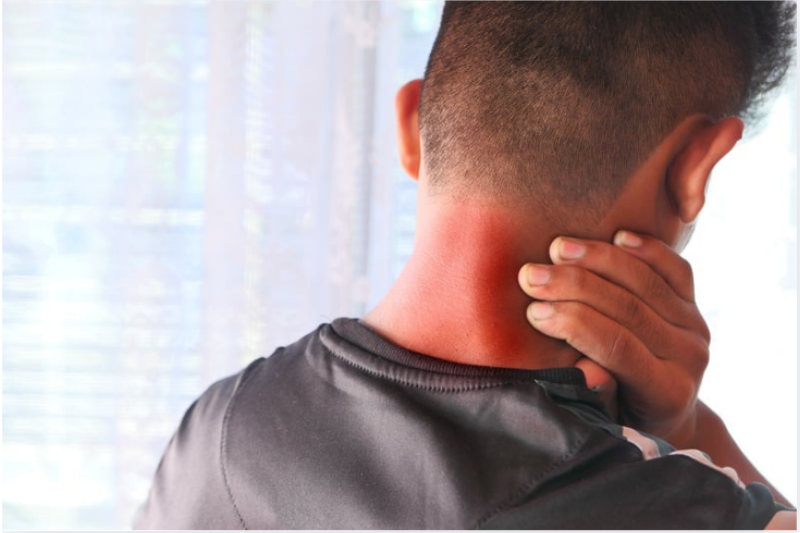
Multimodal Rehabilitation (MMR) is the new gold standard for whiplash care, replacing outdated single-therapy approaches. Recent randomized trials and 2025 clinical practice guidelines (CPGs) confirm that MMR—which combines neck-specific exercises, pain neuroscience education, and psychological support—is significantly more effective than any "one-track" treatment. This integrated approach is now crucial for the 50% of patients who experience chronic whiplash, as it is key to preventing permanent disability beyond the initial three-month recovery period.
Read more
General
February 3, 2026

Non-Hospitalized TBI: The Priority Actions That Prevent Chronic Issues

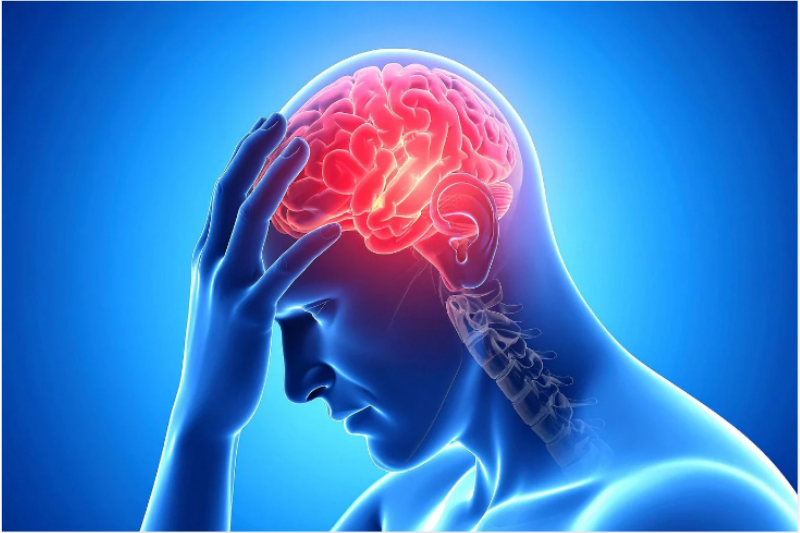
"Mild" traumatic brain injury (TBI) is now officially recognized as a chronic health condition, based on 2025 research. New national clinical practice guidelines (CPGs), published in the Annals of Family Medicine and the Journal of Neurotrauma, highlight a significant challenge: over 50% of head injuries are not reported, and 56% of mild TBI cases are missed in emergency departments. To combat long-term neurological decline, the new "Priority Clinical Actions" shift the standard of care from acute triage to mandated, structured outpatient follow-up within 48 hours of the injury.
Read more
General
February 3, 2026

Pain-Related Suffering Beyond Pain Scores: A Better Definition for Real Life

The year 2025 marks a formal separation of "Pain" and "Suffering." While pain remains a simple sensory and emotional signal, advanced clinical models, such as the Noe-Steinmüller framework, now define pain-related suffering as a profound "threat to an individual’s integrity as a self." This critical shift in perspective moves the focus away from mere signal intensity and toward the degradation of identity, social connections, and existential well-being, providing a clear, actionable language for addressing what is often termed "invisible" disability.

Read more
General
February 3, 2026

Predicting Persistent Symptoms After Mild TBI: Who’s at Risk and Why

The enigma of Post-Concussion Syndrome (PCS) is being solved. Landmark 2025 research has pinpointed a definitive "Risk Triad"—comprising Pre-injury health status, the severity of Acute symptom load, and early Bio-marker shifts—which enables the prediction of persistent symptoms (lasting over three months) in patients with "mild" TBI with 85% accuracy. This breakthrough shifts the clinical approach from reactive treatment to proactive prevention, allowing for the identification of "at-risk" patient profiles within the crucial first 72 hours.
Read more
MRI scan of a human brain showing cross-sections with medical data and interface controls on the right side.
General
February 3, 2026

Portable Near-Infrared Screening for Brain Bleeds After TBI: What’s Real Today?

Portable “light-based” scanners can help flag dangerous brain bleeds fast—but they don’t replace CT. Here’s what 2025 research says is real now.
Read more
A medical professional in a green uniform gently touches a person's forehead and neck.
General
February 3, 2026

Chronic TBI as a Long-Term Condition: The 2025 Shift

2025 research redefined TBI as a chronic condition. Learn how precision diagnostics, biomarkers, and the CBI-M model change long-term care.
Read more
General
February 3, 2026

PTSD After Motor Vehicle Crashes: How It Changes Recovery

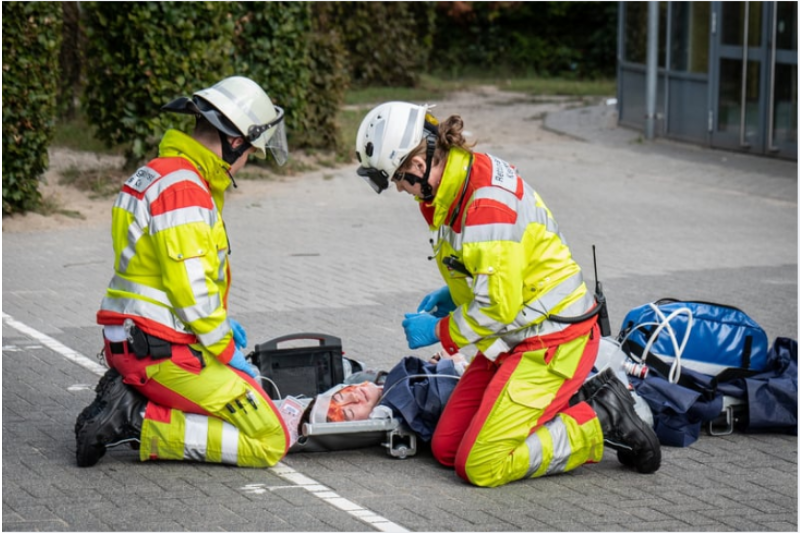
Post-accident recovery is profoundly affected by Post-Traumatic Stress Disorder (PTSD). Clinical data from 2025 identifies PTSD as the single most significant factor actively hindering recovery after an auto accident. Up to 30% of motor vehicle crash survivors develop PTSD, which actively slows physical healing. This occurs because the condition maintains the body in a state of "neuro-inflammation." Consequently, recovery extends beyond merely repairing the vehicle or physical injuries; it fundamentally requires resetting the nervous system.
Read more
General
February 3, 2026

Standardizing Injury Causation in Medicolegal Cases: What “Good” Looks Like

The era of unsubstantiated medical opinions is over, effective in 2025. Courts and insurance companies are now routinely rejecting causation claims that are not supported by objective data or a clear, methodical link. A compelling medical opinion now requires a multi-layered analysis that converts a "subjective" injury into a legally defensible fact by integrating: Biomechanical Plausibility, Clinical Correlation and Objective Impairment Scoring
Read more
General
February 3, 2026

Whiplash Imaging: What Radiology Can and Can’t Explain

Traditional imaging often fails to detect whiplash injuries. Even with "normal" MRI and CT scans, a significant portion—up to 80%—of soft-tissue and micro-structural damage from whiplash is missed, as confirmed by 2025 clinical studies. This explains why half of whiplash patients don't fully recover despite having "clean" scans. Modern neuro-diagnostics have evolved to focus on functional imaging and objective oculo-vestibular testing to better identify the underlying cause of persistent symptoms.
Read more
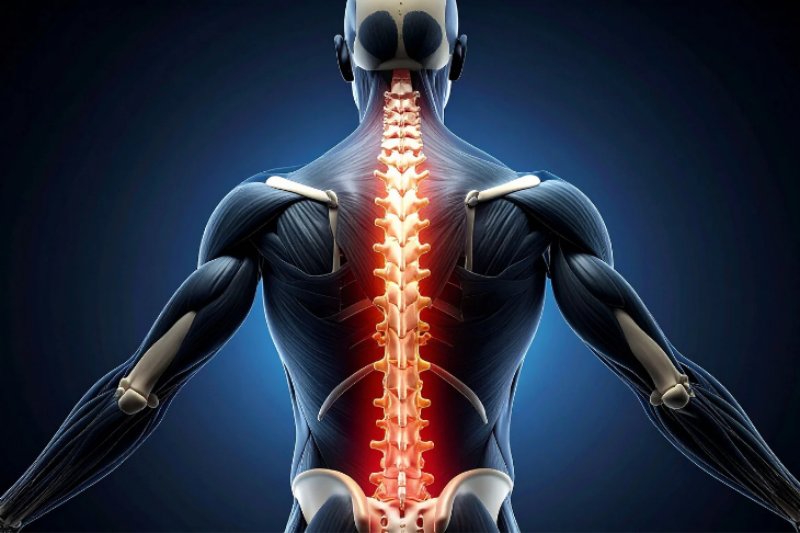
A transparent blue anatomical model of a human torso shows a glowing red spine and brain, suggesting pain or inflammation.
Patients
January 28, 2026

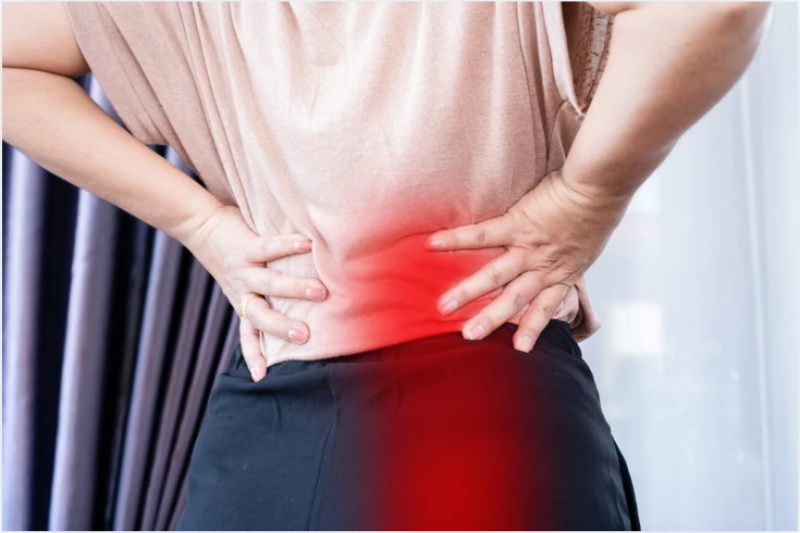
Cervical Spine Injury With a Negative MRI: How That Can Happen

Your MRI can be “normal” and you can still feel real pain. Learn why some cervical spine injuries don’t show up on standard imaging—and what to do next.
Read more
Attorneys
January 21, 2026

Traumatic Brain Injury: A Chronic Disease Process, Not a One-Time Event

TBI isn’t just an event—it’s a chronic disease process that requires long-term documentation. Learn how the Neuro360 approach provides the objective data attorneys need to prove secondary injuries and long-term damages.
Read more
General
December 23, 2025

Understanding the Connection Between Traumatic Brain Injury, Alzheimer’s, and Pain: The Importance of Early Detection

The link between TBIs and Alzheimer’s cannot be overstated. Early detection and proper treatment protect clients and patients from long-term cognitive decline.
Read more
Medical Providers
December 23, 2025

National Trauma Awareness Month: Strengthening the Multidisciplinary Continuum for TBI Care

Elevate your patient outcomes with All Things Neuro’s multidisciplinary trauma framework. We provide practitioners with objective, FDA-approved diagnostics and a seamless referral network of board-certified specialists. From initial assessment to long-term neurological recovery, we bridge the gap between trauma and total wellness.
Read more
Attorneys
December 22, 2025

Unmasking the Silent Epidemic: Challenges in Diagnosing Mild Traumatic Brain Injuries

"Invisible" brain injuries often fail to appear on standard CT or MRI scans, creating a significant evidentiary gap in litigation. This article explores how advanced diagnostic tools like eye-tracking and functional assessments provide the objective, objective diagnostic data and evidence-based recovery pathways.
Read more
Patients
December 22, 2025

The Ultimate Guide to Winter Sports Safety for Your Brain

Don’t let a split-second fall on the ice or slopes change your life forever. From choosing the right gear to recognizing the "invisible" signs of a concussion, discover the essential expert strategies you need to protect your brain while chasing your next winter adrenaline rush.
Read more
General
December 18, 2025

How to Detect Neurological Symptoms After a Car Crash

Beyond the obvious physical injuries of a car crash, hidden neurological damage can have a lasting impact on your brain and nervous system if left untreated. This guide reveals the critical warning signs to watch for and the essential steps you must take to ensure a full recovery.
Read more
HomeAboutMission & VisionBlogFAQsLocationsContact
© 2026 AllThingsNeuro. All rights reserved.
Privacy PolicyTerms & ConditionsAccessibility StatementCookie Policy